هناك أسطورة يروجها الاعلام الذي يعلم الناس كل شيء بشكل مقلوب .. مفادها أن الرئيس الأسد قد اتخذ قرارات هوجاء عن سوء تقدير لقوة الخصم الامريكي .. والمزعج في الأمر ان الناقدين لقرارات الاسد يتصرفون وكأنهم كانوا في الجلسات والمناقشات والقرارات ويعرفون مالايعرفه السياسيون رغم ان أحدهم لايعرف ان يدير دكانا .. ولكن نحن نتحدى أيا منهم ان يعرف ماذا كانت الحوارات والمناقشات حول أي من القضايا .. كلهم يقولون لك كلاما بلا دليل .. وهي محاولة لتصوير الرئيس الأسد انه كان منفصلا عن الواقع وأنه لم يتخذ قرارا فيه مرونة ضرورية وأنه لو فعل كذ وفعل كذ لتجنبنا الكثير من الكوارث ..
وهذه فرضية وضعتها في التحليل والبحث لأن كمية الخبراء والمحللين والواعظين والراشدين والفلاسفة الذين بدؤوا يخرجون من كل أروقة الفيسبوك وشوارع اليوتيوب صاروا مزعجين للغاية .. وصارت هذه الفرضيات تنافس العقل والمنطق والتاريخ .. وتبين لي أنها ظاهرة المجتمع المهزوم تتقدم وتعرض نفسها .. فالمجتمع المهزوم يبحث عن لوم غيره ويتصرف أفراده كما لو انهم يعرفون كل شيء .. وصارت هناك موضة (لو فعل الاسد كذا لما حدث كذا) .. وهذا النوع من التبجح بالمعرفة يدين كل الشخصيات العظيمة في العالم .. فلو فعل النبي يوم أحد كذا لما حدث كذا .. ولو انه حسم موضوع الخلافة لما وقعنا في هذه الفتنة التي ندفع ثمنها الى اليوم .. ولو انه قطع رأس ابي سفيان وأبنائه لجنب المسلمين معركة صفين والجمل .. ولو ان نابوليون لم يدخل روسيا لما خسر .. ولو انه لم يغامر في ووترلو لبقي سيد اوروبة .. ولو .. ولو … و لو .. ولو
ولكن أنا وضعت السؤال الذي حير العلماء السوريين وهو: هل كانت القيادة السورية بقيادة الأسد من هواة المشاكسة والتحدي الاجوف الناقص المرونة وأخذت موقفا متشنجا من أميريكا وقررت العداء لها بشكل أعمى ورفضت الديبلوماسية لانها نفتقر الى الحس الديبولماسي والدهاء الديبلوماسي؟؟ أم أن هناك مشروعاً قائماً وقراراً متخذاً لتغيير وجه المنطقة بالكامل .. جوهره تدمير شامل لمقومات دول المنطقة بما يتفق مع مصلحة اميركا واسرائيل وهو مايزال مستمرا من خلال الفوضى الخلاقة وصولا الى الشرق الأوسط الجديد الذي بشرت به رايس من 2001 الى 2006؟؟
هذا سؤال حقيقي ووجيه جدا ويستحق ان نعرضه على المعادلات الرزينة وليس على انفعلات الفيسبوكيين ..
الآن .. سنبحث في فرضية ان الاسد كان متشنجا في حواره مع الاميركيين ومع الخصوم والمحاورين وانه لم يمتلك مناورة ديبلوماسية لانه قرر المضي الى ابعد مدى في المواجهة وأهمل عمدا العروض والاغراءات المقدمة له .. لانه كان يعتبر نفسد قد انتصر ..
نعود الى النقطة الحساسة وهي قضية (لو) .. واتهامات لاتتوقف للقايدة السورية انها متعنته وعنيده وحمقاء .. ولكن تسلسل الاحداث ومراجعة قرارات القيادة السورية يثبت حتما عكس ذلك .. فالموقف من حرب العراق في عام 2003 لم ينطلق من الهدف بمعانده الغرب او امريكا ولكن انطلق من نقطة هامة جدا وهي ان هذا المشروع هو بدايه (تطبيق وثيقة الانفصال الحاسم المذكورة أعلاه) بتدمير العراق كعمق استراتيجي لسورية .. وكان واضحا ان المراد به هو تفتيت الشرق الاوسط والفوض الخلاقه كما سمي لاحقا .. وكان واضحا من قبل غزو العراق من خلال مؤتمرات المعارضه والطروحات الطائفيه والقوميه التفتيتيه، اي ان التعاون في هذا الجانب مع الولايات المتحده كان يعني التعاون معها في مشروع مدمر للمنطقه ولسوريا كتحصيل حاصل .. وعدم فهم الغزو الامريكي للعراق عندها لا يعتبر مرونة بل يعتبر غباء سياسي.
الموقف الثاني هو مرحله القرار 1559 والذي صدر في العام 2004 بهدف اخراج سوريا من لبنان وقامت سوريا مباشره بالتعامل الايجابي مع هذا القرار والعمل الفوري على الخروج من لبنان لأنها كانت تدرك انها في مواجهة مباشرة مع الولايات المتحدة والغرب ..وأن عليها ان تجنب شعبها وجيشها هذه المواجهة …
ايضا في العام 2008 وعندما تحرك الجانب التركي من اجل بدء مفاوضات السلام لسوريا واسرائيل وافقت سوريا فورا بدات المفاوضات عبر الوسيط التركي في تركيا بالرغم من معرفه سوريا ان اسرائيل غير مستعده لسلام حقيقي عادل وشامل.
وفي بداية الاحداث كان هناك العديد من المطالب مما سمي في ذلك الوقت في المعارضه وكان في مقدمتها تعديل الدستور السوري وايضا تمت الاستجابة والتعامل بمرونة مع طلبات المعارضة ووافقت الدولة على ذلك بشكل سريع خلال عام فقط بالرغم من معرفه ان كل هذه الطروحات هي ليست اكثر من اقنعه للاهداف الحقيقيه لما سمي بالثوره زورا. ..
الموقف الاخر هو عندما اتهمت سوريا باستخدام الاسلحه الكيميائيه في عام 2013 وافقت سوريا على المقترحات التي قدمت من اجل تسليم ترسانتها الكيميائيه كامله وانضمت لاتفاقيه منع انتشار الاسلحه الكيميائيه ايضا تم هذا الشيء من دون اي عناد .. ولو تخيلنا اننا رفضنا تسليم السلاح الكيماوي مثلا فهل كانت المواجهة مع الاميركييين ستطلق موجة من اللوم لسياسة الهاوية والانتحار خاصة ان كمية اليورانيوم المنضب التي كانت ستسكب يومها على الاراضي السورية ستفوق كثيرا كمية اليورانيوم المنضب التي رميت على العراق .. ولايوجد لدي شك انه لو حدث هذا لقال هؤلاء أنفسهم من يلوم الاسد على انه سلم الترسانة الكيماوية ان الرئيس الأسد من اجل منصبه وكرسيه غامر بكل البلاد وقرر مناطحة العالم كما فعل صدام حسين وتسبب لنا بهذا الكارثة ..
وفي سياق الحرب في سوريا بعدها ب 2011 وبالرغم من ظهور المخطط بشكل واضح والدور الارهابي الفصائل الارهابيه المختلفه مع ذلك قامت الدوله السوريه باصدار العديد من مراسيم العفو عن الارهابيين بشرط تسليم السلاح وقامت بتسويات كثيره عديده جدا على مدى تلك السنوات من اجل اعطائهم الفرصه تلو الفرصه. وكان هذا التساهل مرونة لتسهيل عودة الاستقرار للسوريين .. ولو لم تفعل ذلك لقال الثرثارون ان الأسد لم يقدم مباردات لاصلاح ذات البين وتخفيف الآلام بين السوريين وتسبب هذا في خسارة المعركة لانه لم يمارس الرحمة ..
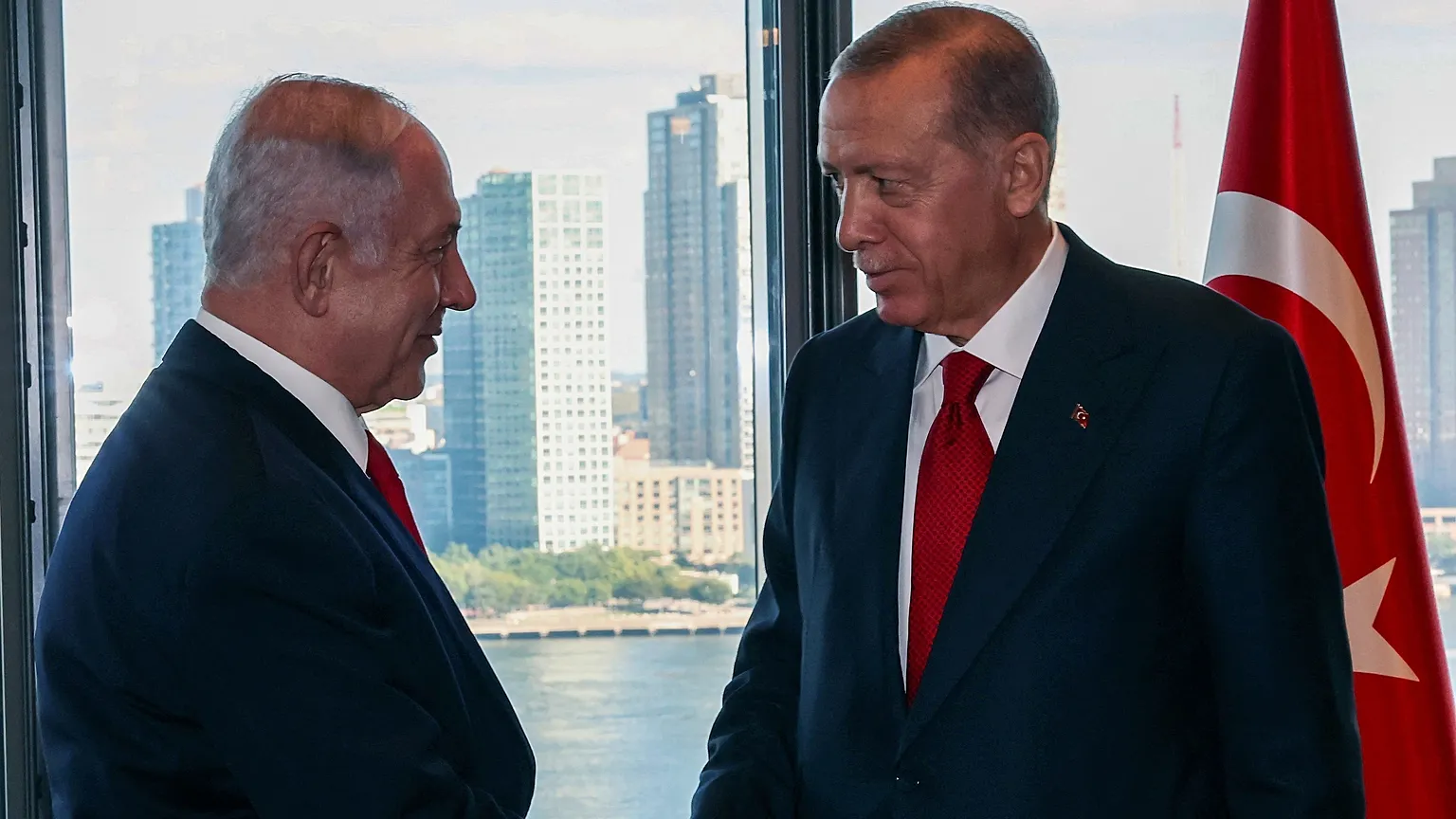
اما بشأن العلاقه مع تركيا فلايزال كثيرون يتشدقون ويتفلسفون من أن عناد الاسد ورفضه لقاء أردوغان هو الذي تسبب بهذه الكارثة .. ولو أنه التقى اردوغان لكان قد جنب البلاد هذا المصير.. ولكن ابسط عقل يعرف ان اردوغان كان سيقوم بما قام به من اجتياح لسورية عبر عصاباته لأن قرار التكليف كان في تل ابيب وفي واشنطن .. وسيكون لقاء الاسد ديكورا أفضل له ليقول ويكذب ان الاسد لم يقبل بما عرض عليه وتشنج لأنه يناور .. فبالرغم من الدور التركي الواضح في الحرب على سوريا الدور الاساسي حقيقة في دعم الارهابيين مع ذلك فقد وافقت سوريا على انشاء لجنه مشتركه رباعيه سوريا ايران روسيا تركيا والتي كانت تجتمع بشكل دوري ووافقت على اكثر من لقاء على مستوى سياسي او عسكري والمقصود عسكري وزاره الدفاع بالرغم من معرفتها بان تركيا تستغل الوقت للمناوره وليس لديها سوى هدف واحد اسقاط الدوله السوريه واحتلال سوريا بشكل مباشر او غير مباشر.
ولأولئك المتفلسفين الذين يزعمون ان الأسد لم يتمتع بالمرونة الديبولماسية وكان عليه ان يناور مع اردوغان ويقبل بالحديث معه ولو كان فقط لشرب المرطبات .. لايعرفون ان الأسد نظر بعين الحرص والحكمة لهذا الاقتراح ولم يبد معارضة له وأبدى مرونة لافتة .. حتى طرح اردوغان الاخير بالنسبه للقمة المشتركة السورية التركية لم يرفض ابدا وانما وضعت له محددات من اجل عدم السماح لاردوغان باستغلاله بالشكل الذي يضر بموقف الدولة السورية.. وتم ربط القمه بنجاح لقاء وزراء الخارجيه والذي انضم اليه وزراء الدفاع باصدار بيان تمهيدي لكي تبنى عليه القمة التي وافق عليها الأسد، على ان يكون هناك لقاء اخر يستبق القمه من اجل التحضير لها وهذا هو الشيء الطبيعي .. الشيء غير الطبيعي هو ان يحصل لقاء قمة بين رئيسين من دون تحضير .. اي من لا شيء لان النتيجة ستكون لا شيء بأحسن الاحوال والضرر الكبير باسوأ الاحوال ..
هؤلاء هم الثرثارون الذين لايعرفون السياسة السورية التي لاتتهور ولاتعطي كل أوراقها للخصم خاصة عندما يكون الخصم مكشوفا في نواياه .. يعني كل حكمة الرئيس حافظ الاسد في مفاوضاته العلنية مع الاميريكيين بشأن متر واحد على ضفة طبريا كان ينظر اليها على انها حكمة وبعد نظر لأن الاسد كان يعرف ان أوسلو بنسخة سورية هو مايراد ان يقدمه للاسرائيليين ولان الاسرائيليين يلعبون لعبة المفاوضات وانهم لايريدون التخلي عن الجولان .. وان الطريق الوحيد لاسترداد الجولان هو السلاح .. ولكنه تمسك بالمتر الأخير لأنه يعرف ان الاسرائيليين لن يعطوه المتر الاخير ولا المتر الاول .. ولن يعطوه الجولان بل يريدونه كله وان نتنياهو في وثيقة (الكسر النظيف كان واضحا) انه لايريد التخلي عن الجولان .. والاسد تمسك بالمتر الاخير لأنه لو تخلى عنه فسيجد الاسرائيليون طريقة للتنصل من الاتفاق ولكنه سيظهر السوريين وكأنهم بدؤوا يقبلون بالتنازلات التي لن تنتهي .. وسيفاوضونه من جديد بعد اعتبار ان الاتفاق الاخير تضمن التخلي عن المتر الاخير وسيطلبون أمتارا اضافية الى ان يكون الامر تأجير الجولان ل 99 سنة كما فعل الاتراك الذين ابتلعوا الشمال السوري بعقد تأجير 99 سنى على الطريقة الاسرائيلية ..
وعندما قرر الرئيس بشار الاسد المشي مع الكذاب اردوغان في قضية اللقاء الاخير كان له اقتراح ان يكون محور اللقاء هو الانسحاب التركي من الاراضي السورية .. وتبين ان الاتراك حسموا أمرهم بأنهم لن ينسحبوا .. ولكن اردوغان كان يريد فقط اللقاء كي لاينسحب وليقول لاحقا ان الاسد رفض الحوار مع المعارضة وتشنج كما ان الاسد لم يطلب الانسحاب التركي وصار الامر مثل لواء اسكندرون حيث لايطالب السوري بأرضه ..
الاسد كان يدرك ان العقل التركي مثل العقل الاسرائيلي .. لايريد الا المفاوضات من اجل الثرثرة الاعلامية واستغلالها للاساءة للموقف الوطني السوري .. ولكنه يريد الأرض .. فقط .. فالميثاق الملي هو نفسه الوعد التوراتي بأرض مابين الفرات والنيل .. اسرائيل تريد مابين الفرات والنيل .. وتركيا نريد مابين الفرات والنيل .. الاولى تريد الارض لأنها ملك توراتي .. والثانية تريدها لأنها ملك عثماني .. واليوم النتيجة واحدة فالتوراتيون والعثمانيون يتقاسمون الارض .. نفس الارض .. التي حاولنا حمايتها جميعا .. ولكن كما ورد عن النبي قوله: «تداعى عليكم الأمم كما تداعى الأكلة إلى قصعتها»؟ .. والاكلة الجائعة اليوم تنهش في لحم وطننا بنهم وشراهة واسنانها عصابات .. ومخالبها سوريون حمقى ..
====================================================
The Myth of Assad’s Reckless Decisions
There is a myth promoted by the media, which teaches people everything backwards. It claims that President Assad made rash decisions due to a misjudgment of the strength of his American adversary. What is particularly irritating about this is that those criticising Assad’s decisions behave as though they had been present at the meetings, discussions and decision-making sessions, and as though they know things that politicians themselves do not know—even though some of them would not know how to run a corner shop.
We challenge any one of them to tell us what the actual discussions and deliberations were about any of these issues. They all offer you words without evidence. It is an attempt to portray President Assad as detached from reality, as someone who failed to make decisions with the necessary flexibility, and as someone who, had he done this or that, could have avoided many of the disasters.
I put forward this hypothesis for analysis and research because the sheer number of experts, analysts, preachers, sages and philosophers emerging from every corner of Facebook and every street of YouTube has become extremely irritating. These hypotheses have begun competing with reason, logic and history. It has become clear to me that this is a phenomenon of a defeated society: it emerges, advances itself and puts its ideas on display. A defeated society looks for someone else to blame, and its members behave as though they know everything.
A new fashion has emerged: “If Assad had done this, that would not have happened.”
This kind of arrogant claim to knowledge condemns every great figure in world history. If the Prophet had done this at Uhud, that would not have happened. If he had settled the question of succession decisively, we would not have fallen into the conflict whose consequences we are still paying for today. If he had cut off the heads of Abu Sufyan and his sons, he would have spared the Muslims the battles of Siffin and the Camel. If Napoleon had not invaded Russia, he would not have lost. If he had not taken the risk at Waterloo, he would have remained the master of Europe. If… if… if… if…
But I have posed the question that has perplexed Syrian scholars and intellectuals:
Was the Syrian leadership under Assad simply fond of confrontation and hollow defiance, lacking flexibility and misjudging the situation, taking a rigid position towards America and blindly deciding to be hostile to it, rejecting diplomacy because it lacked diplomatic sensibility and sophistication?
Or was there an existing project and a decision already made to completely reshape the region, whose essence was the comprehensive destruction of the foundations and capabilities of the countries of the region in accordance with American and Israeli interests—a project that continues to this day through what was called creative chaos, leading towards the New Middle East that Condoleezza Rice heralded between 2001 and 2006?
This is a genuine and highly legitimate question, and it deserves to be examined through sober analytical frameworks, not through the emotional reactions of Facebook users.
Now, let us examine the hypothesis that Assad was rigid in his dialogue with the Americans and his adversaries, lacked diplomatic manoeuvring skills, decided to take the confrontation to its furthest limits, and deliberately ignored the offers and incentives presented to him because he believed that he had already won.
We return to the sensitive issue of “if”—and the endless accusations that the Syrian leadership was obstinate, stubborn and foolish. Yet the sequence of events and a review of the Syrian leadership’s decisions conclusively demonstrate the opposite.
The Syrian position on the Iraq War in 2003 was not motivated by a desire to defy the West or America. Rather, it stemmed from a very important consideration: this project was the beginning of the implementation of the aforementioned Clean Break document, through the destruction of Iraq as Syria’s strategic depth. It was clear that the aim was to fragment the Middle East and implement what would later be called creative chaos. This was already evident before the invasion of Iraq through opposition conferences and the sectarian and nationalist proposals aimed at fragmentation.
Cooperating with the United States on this front would therefore have meant, by definition, cooperating with a project designed to devastate the region and Syria. Failing to understand the American invasion of Iraq at the time would not have been diplomatic flexibility; it would have been political stupidity.
The second position concerned Resolution 1559, which was issued in 2004 with the aim of forcing Syria out of Lebanon. Syria immediately responded positively to the resolution and began working towards withdrawing from Lebanon, because it understood that it was facing a direct confrontation with the United States and the West, and that it needed to spare its people and army from that confrontation.
Another example was in 2008, when the Turkish side moved to initiate peace negotiations between Syria and Israel. Syria immediately agreed, and negotiations began through Turkish mediation in Turkey, despite Syria’s awareness that Israel was not prepared for a genuine, just and comprehensive peace.
At the beginning of the events in Syria, there were also numerous demands made by what was then called the opposition, foremost among them amendments to the Syrian Constitution. The state responded and dealt flexibly with these demands, agreeing to them swiftly within a year, despite knowing that all these proposals were nothing more than masks concealing the real objectives of what was falsely called the revolution.
Another position was Syria’s response when it was accused of using chemical weapons in 2013. Syria agreed to the proposals for handing over its entire chemical arsenal and also joined the Chemical Weapons Convention. This was done without any stubbornness whatsoever.
Imagine, for example, if Syria had refused to surrender its chemical weapons. Would the confrontation with the Americans have unleashed a wave of criticism accusing the leadership of brinkmanship and suicidal policies? Especially when the amount of depleted uranium that could have been poured onto Syrian territory at the time would have far exceeded the amount of depleted uranium used in Iraq.
I have absolutely no doubt that, had this happened, those same people who now criticise Assad for surrendering the chemical arsenal would have said that President Assad had risked the entire country to preserve his position and his throne, decided to confront the whole world like Saddam Hussein, and brought this catastrophe upon us.
In the context of the war in Syria after 2011, despite the plan becoming clearly visible and the terrorist role of the various terrorist factions emerging, the Syrian state nevertheless issued numerous amnesty decrees for terrorists on condition that they surrender their weapons. It also carried out a very large number of reconciliation and settlement processes over those years, in order to give them opportunity after opportunity.
This leniency was an expression of flexibility intended to facilitate the restoration of stability for Syrians.
Had the state not done so, these chatterboxes would have said that Assad had failed to launch initiatives to reconcile Syrians, ease their suffering and heal their divisions, and that this had caused the loss of the battle because he had failed to show mercy.
As for relations with Turkey, many people continue to pontificate that Assad’s stubbornness and his refusal to meet Erdoğan were what caused the catastrophe, and that had he met Erdoğan, he would have spared the country this fate.
Yet even the simplest mind understands that Erdoğan would have carried out the invasion of Syria through his gangs regardless, because the decision to assign him this mission had been made in Tel Aviv and Washington. A meeting with Assad would merely have provided him with better political theatre, allowing him to claim falsely that Assad had rejected what was offered to him and had become rigid and inflexible.
Despite Turkey’s obvious role in the war against Syria—and its fundamental role in supporting terrorists—Syria nevertheless agreed to establish a quadrilateral joint committee comprising Syria, Iran, Russia and Turkey. The committee met periodically. Syria also agreed to more than one meeting at the political and military levels—the military level meaning the defence ministries—even though it knew that Turkey was exploiting the time for manoeuvring and had only one objective: to overthrow the Syrian state and occupy Syria, directly or indirectly.
To those pontificators who claim that Assad lacked diplomatic flexibility and should have manoeuvred with Erdoğan and agreed to talk to him, even if only over a glass of soft drink, they do not understand that Assad considered this proposal with prudence and wisdom. He did not oppose it and showed considerable flexibility.
Even Erdoğan’s latest proposal for a joint Syrian-Turkish summit was never rejected outright. Instead, conditions were set to prevent Erdoğan from exploiting it in a way that would harm Syria’s position. The summit was linked to the success of a meeting between the foreign ministers, which was joined by the defence ministers, and the issuance of a preliminary statement on which the summit could be built—a summit that Assad had agreed to. Another meeting was to take place before the summit to prepare for it. This is the normal and proper procedure.
What is abnormal is holding a summit between two presidents without any preparation whatsoever—starting from nothing, because the result would be nothing at best, and significant harm at worst.
These are the chatterboxes who know nothing about Syrian diplomacy, which does not act recklessly or hand over all its cards to an adversary, particularly when that adversary’s intentions are transparent.
The very wisdom demonstrated by President Hafez al-Assad during his public negotiations with the Americans over a single metre on the shores of Lake Tiberias was regarded as prudence and foresight. Assad knew that what the Israelis wanted to offer the Syrians was an Oslo-style agreement, and that the Israelis were playing the game of negotiations. He knew they did not want to relinquish the Golan Heights, and that the only way to recover the Golan was through arms.
Yet he held on to the final metre because he knew that the Israelis would never give him that last metre—not the last metre, nor even the first. They would not hand over the Golan; they wanted the whole thing. Netanyahu had made this clear in the Clean Break document: he did not want to relinquish the Golan.
Assad held on to the final metre because, had he given it up, the Israelis would have found a way to evade the agreement. But it would have made the Syrians appear to have begun accepting concessions that would never end. The Israelis would then negotiate with them again, claiming that the previous agreement had already included the surrender of the final metre, and would demand additional metres, until the whole matter became a 99-year lease of the Golan, just as the Turks swallowed northern Syria through a 99-year lease arrangement, following the Israeli model.
When President Bashar al-Assad decided to engage with the liar Erdoğan over the proposed meeting, he suggested that the central topic should be the Turkish withdrawal from Syrian territory. It became clear, however, that the Turks had already decided they would not withdraw.
Erdoğan, meanwhile, wanted the meeting merely so that he would not have to withdraw, and so that he could later claim that Assad had refused dialogue with the opposition and had become rigid and inflexible. It was as though Assad had not even demanded a Turkish withdrawal, just as happened with the Alexandretta Sanjak, where the Syrian no longer even demands his own land.
Assad understood that the Turkish mindset was like the Israeli mindset: it wanted negotiations merely for media chatter and to exploit them to undermine Syria’s national position. But what it really wanted was the land—nothing else.
The National Pact is the equivalent of the biblical promise of the land between the Euphrates and the Nile. Israel wants the land between the Euphrates and the Nile. Turkey wants the land between the Euphrates and the Nile. The first wants it because it is supposedly a biblical entitlement; the second wants it because it is supposedly an Ottoman entitlement.
Today, the result is the same: the biblicalists and the Ottomans are dividing up the land—the very land that we all tried to protect.
As the Prophet is reported to have said:
“The nations will summon one another against you, just as diners call one another to a feast.”
The hungry diners today are ravenously tearing into the flesh of our homeland. Their teeth are gangs, and their claws are foolish Syrians.