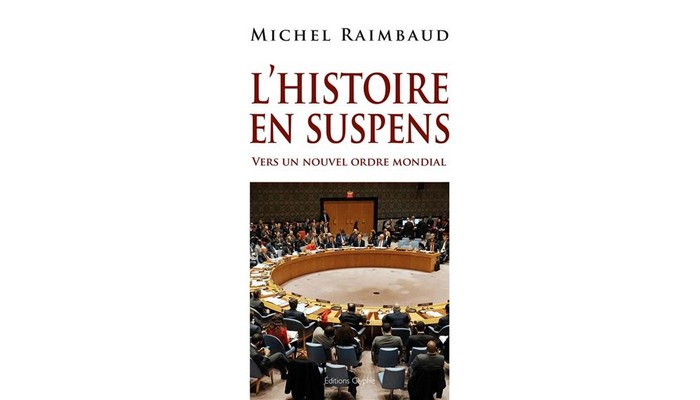
في مؤلَّفه الأخير «التاريخ المعلَّق» (L’Histoire en suspens)، يتناول ميشال ريمبو موضوعاً بالغ الاتساع والتعقيد: أكثر من قرن من الصراعات الجيوسياسية لفهم الكيفية التي باتت بها الهيمنة الغربية، بعد خمسة قرون من السيادة، موضع تحدٍّ ومنازعة. ومن الحرب الباردة إلى مجموعة «البريكس»، ومن حروب الشرق الأوسط إلى الطموحات الأوراسية، يأخذ السفير الفرنسي السابق قارئه في لوحة تاريخية واسعة الأرجاء. نظامٌ عالمي يتزعزع، وآخر يسعى إلى تثبيت أركانه. غير أن مآل هذه «المصارعة الكونية» ما يزال بعيداً عن أن يكون محسوماً.
ومنذ المقدمة يحدد ميشال ريمبو النغمة العامة للكتاب بقوله:
«إن كلَّ ما يجري يكاد يوحي بأن التاريخ نفسه قد نزل إلى مسرح الأحداث ليعلن نهاية خمسة قرون من الهيمنة الغربية، وليبشّر بقدوم مرحلة تأسيس جديدة تبعث القلق في الفضاء الأطلسي. ومع ذلك، فما زال الأوان مبكراً جداً للقول إن الأمر قد حُسم.»
يقع الكتاب في نحو خمسمائة صفحة، ويستعرض قرناً وربع قرن من التاريخ، وعشرات الحروب والصراعات الاستراتيجية: من سقوط الدولة العثمانية إلى انهيار الاتحاد السوفييتي، ومن الحروب الأمريكية إلى التحولات العاصفة في العالم العربي. ويربط ريمبو بين أحداث تبدو متباعدة ليقدّمها بوصفها فصولاً في مواجهة واحدة كبرى، هي المواجهة بين القوى المهيمنة الراهنة والقوى الساعية إلى إعادة تشكيل النظام الدولي.
ولا شك أن هذا المشروع الفكري يتسم بطموح بالغ، وهو طموح يوازي السعة التاريخية والجيوسياسية التي يتمتع بها المؤلف، إذ يدعو القارئ إلى تجاوز الأحداث الآنية والنظر إلى منطق القوة الذي يصل بينها في سياق واحد.
العالم: رقعة شطرنج كبرى
لفهم هذه المعركة، يستحضر ميشال ريمبو النظريات الكبرى في الفكر الجيوسياسي، ليعيد سرد التنافس الممتد منذ قرون بين القوى القارية والقوى البحرية. ويرى أن انهيار الاتحاد السوفييتي شكّل نقطة تحول مفصلية؛ فبعد زوال الخصم الأكبر، وجدت الولايات المتحدة نفسها في موقع غير مسبوق من التفوق. ومن ثم وسّعت شبكات تحالفاتها، وكثفت تدخلاتها العسكرية، وفرضت عقوباتها الاقتصادية، وسعت إلى وضع قواعد نظام دولي أصبح أحادي القطبية إلى حد بعيد.
ويعمل المؤلف على تفكيك آليات هذه الهيمنة بلغة مباشرة لا تكترث كثيراً بالتحفظات الدبلوماسية المعتادة. وتكشف عناوين فصوله عن هذا التوجه بوضوح، مثل: «محور الخير في جميع تجلياته»، و«مسؤولية الحماية: الاستعباد باسم السلام»، و«سبع دول ينبغي تدميرها خلال خمسة أعوام»، وغيرها.
في الشرق الأوسط… جميع الطرق تؤدي إلى دمشق
يؤكد ريمبو أن «المركز الحقيقي للصراع العالمي يقع في الشرق الأوسط». ولذلك لم يكن مستغرباً أن تحتل هذه المنطقة موقعاً محورياً في كتابه. فطموحات القوى الكبرى، والتنافسات الإقليمية، وثروات الطاقة، وشبكات التجارة الدولية، كلها تجعل من المنطقة ساحة دائمة للتجاذب والصراع.
ويتوقف المؤلف عند مشروع يكاد يكون قد غاب عن الذاكرة السياسية اليوم، وهو مشروع «البحار الخمسة» الذي دافع عنه الرئيس السوري السابق بشار الأسد. وقد قامت فكرته على جعل سوريا مركز فضاء تعاوني واسع يربط البحر المتوسط والبحر الأسود وبحر قزوين والبحر الأحمر والخليج العربي. وكانت الرؤية تهدف إلى صياغة جغرافيا سياسية جديدة للشرق الأوسط تسمح بربط أوروبا وآسيا وإفريقيا ضمن شبكة من المصالح الاقتصادية والاستراتيجية المشتركة.
ويحلل ريمبو أبعاد هذا المشروع، من مسارات الطاقة إلى التحكم بالمضائق البحرية، مذكِّراً بأن هذه المنطقة لا تزال تمثل رهاناً أساسياً للقوى الكبرى. غير أن نجاح مثل هذا التصور كان مشروطاً بالتوفيق بين مصالح دول تحمل إرثاً طويلاً من الخصومات والتناقضات. وقد جاءت الإطاحة ببشار الأسد في كانون الأول/ديسمبر 2024 لتقلب المعادلات وتعيد رسم المشهد.
وفي فصل يحمل عنواناً دالاً: «روسيا وسوريا: خيانة أم عجز؟» يطرح المؤلف سؤالاً محرجاً بالنسبة إلى موسكو: كيف لروسيا، التي جعلت من سوريا أحد أبرز رموز عودتها إلى الساحة الدولية، أن تخسر حليفاً بهذه الأهمية الاستراتيجية؟
فتركيا تواصل السعي بإصرار وراء أهدافها الخاصة، والصين تراقب بحذر، في حين تجد موسكو نفسها مضطرة إلى الموازنة بين مصالح متعارضة والتزامات متشابكة. ومن ثم يكشف انهيار النظام السوري عن مواطن ضعف في تحالفات كان يُعتقد أنها راسخة، كما يبرز حدود قدرة القوى التي تطمح إلى موازنة النفوذ الأمريكي.
ومن هنا فإن القضية لا تتعلق بمصير بشار الأسد وحده، بل تمتد إلى مساءلة مصداقية المشروع متعدد الأقطاب نفسه؛ إذ إن الاعتراض على الهيمنة الغربية أمر، والقدرة على إقامة منظومة بديلة من التحالفات والأمن الدولي أمر آخر.
البريكس: قوة صاعدة أم سراب سياسي؟
يبرز هذا التساؤل بحدة خاصة عند الحديث عن مجموعة «البريكس». فهذه الدول تمتلك مقومات معتبرة من حيث الثقل السكاني والموارد الطبيعية والقوة الاقتصادية. غير أن السؤال يبقى مطروحاً: هل تستطيع حقاً أن تفرض وزناً موازياً للغرب الذي ما زال يحتفظ بأدوات مالية وعسكرية ومؤسسية مؤثرة؟
ولا يتجاهل ريمبو ما يعتري هذا التكتل من تناقضات داخلية. فبعض أعضائه يقيم علاقات وثيقة مع واشنطن، بينما يسعى آخرون إلى التحرر من نفوذها. كما أنهم لا يشتركون جميعاً في الطموحات نفسها ولا في المصالح ذاتها. وتضاف إلى ذلك الضغوط الأمريكية الرامية إلى الحد من تصاعد نفوذهم.
ومن ثم تجسد «البريكس» في نظر المؤلف وعود العالم المقبل، لكنها تجسد أيضاً غموضه وعدم يقينه. فصعودها دليل على انتقال موازين القوة الدولية، لكنه لا يكفي لإثبات أن نظاماً عالمياً جديداً قد ترسخ بالفعل.
وعليه تبدو التعددية القطبية أقل شبهاً بنظام مستقر ومتكامل، وأكثر شبهاً بعلاقة قوى متحركة ومضطربة، تتخللها المنافسات والشكوك.
قراءة سياسية لتحولات العصر
إن موقف السفير السابق واضح لا لبس فيه. فهو ينتقد الأحادية الأمريكية، والتدخلات الغربية، وتهميش القانون الدولي، ويقدم قراءة سياسية صريحة للتحولات الكبرى التي يشهدها العالم المعاصر.
وعند الانتهاء من هذه الصفحات الخمسمائة، يبقى سؤال جوهري معلقاً: ماذا يصبح العالم عندما يعجز النظام القديم عن فرض نفسه، في حين يتأخر النظام الجديد في التبلور؟
إن ميشال ريمبو لا يعلن «نهاية التاريخ»، بل يصف عالماً تتهاوى فيه يقينيات الأمس، من دون أن تكون يقينيات الغد قد اتخذت شكلها النهائي بعد.
=================================================
رابط الخبر:
Michel Raimbaud : l’empoignade planétaire – Iveris
=====================================
“The Global Struggle Over the Destiny of the World” — A Very Important New Book by the Great French Writer and Friend of the Syrian People, Michel Raimbaud
By Leslie Varin
In his latest work, “History in Suspense” (L’Histoire en suspens), Michel Raimbaud tackles a subject of immense breadth and complexity: more than a century of geopolitical conflicts, seeking to understand how Western dominance, after five centuries of supremacy, has come under challenge and contestation. From the Cold War to the BRICS group, from the wars of the Middle East to Eurasian ambitions, the former French ambassador takes his readers on a sweeping historical journey. One global order is shaking, while another is seeking to establish itself. Yet the outcome of this “global struggle” remains far from decided.
From the very introduction, Michel Raimbaud sets the tone of the book, writing:
“Everything that is happening seems almost to suggest that history itself has stepped onto the stage of events to announce the end of five centuries of Western dominance and herald the arrival of a new founding phase that is unsettling the Atlantic world. Nevertheless, it is still far too early to say that the matter has been settled.”
The book runs to approximately 500 pages and reviews a century and a quarter of history, encompassing dozens of wars and strategic conflicts: from the collapse of the Ottoman Empire to the dissolution of the Soviet Union, from American wars to the turbulent transformations of the Arab world. Raimbaud connects events that might appear unrelated, presenting them as chapters in one great confrontation: the struggle between the powers that currently dominate the world and those seeking to reshape the international order.
There is no doubt that this intellectual undertaking is highly ambitious, matching the author’s extensive historical and geopolitical knowledge. It invites readers to look beyond immediate events and examine the logic of power connecting them within a broader framework.
The World: A Grand Chessboard
To understand this battle, Michel Raimbaud draws upon the major theories of geopolitical thought, recounting the centuries-long competition between continental powers and maritime powers. He considers the collapse of the Soviet Union a pivotal turning point. With the disappearance of its greatest adversary, the United States found itself in a position of unprecedented superiority. It subsequently expanded its alliance networks, intensified its military interventions, imposed economic sanctions, and sought to establish the rules of an international system that had become largely unipolar.
The author dissects the mechanisms of this dominance in direct language, with little regard for the diplomatic reservations usually observed. The titles of his chapters clearly reveal this approach, including: “The Axis of Good in All Its Manifestations,” “The Responsibility to Protect: Enslavement in the Name of Peace,” “Seven Countries to Be Destroyed in Five Years,” and others.
In the Middle East… All Roads Lead to Damascus
Raimbaud insists that “the true centre of global conflict lies in the Middle East.” It is therefore hardly surprising that this region occupies a central place in his book. The ambitions of major powers, regional rivalries, energy resources and international trade networks all make the region a permanent arena of competition and conflict.
The author also revisits a project that has almost disappeared from today’s political memory: the “Five Seas” project, advocated by former Syrian President Bashar al-Assad. Its idea was to make Syria the centre of a vast cooperative region linking the Mediterranean Sea, the Black Sea, the Caspian Sea, the Red Sea and the Arabian Gulf. The vision sought to create a new geopolitical landscape for the Middle East, connecting Europe, Asia and Africa through a network of shared economic and strategic interests.
Raimbaud analyses the various dimensions of this project, from energy routes to control over maritime straits, reminding readers that this region remains a fundamental strategic prize for the major powers. However, the success of such a vision depended on reconciling the interests of countries burdened by a long history of rivalries and contradictions. The overthrow of Bashar al-Assad in December 2024 overturned the equations and reshaped the landscape.
In a chapter bearing the telling title “Russia and Syria: Betrayal or Inability?”, the author poses an uncomfortable question for Moscow: How could Russia, which had made Syria one of the most prominent symbols of its return to the international arena, lose an ally of such strategic importance?
Turkey continues to pursue its own objectives relentlessly, China watches cautiously, while Moscow finds itself compelled to balance conflicting interests and intertwined commitments. The collapse of the Syrian regime therefore exposes weaknesses in alliances that had been considered firmly established, while also highlighting the limitations of the ability of powers aspiring to counterbalance American influence.
The issue, therefore, is not merely the fate of Bashar al-Assad. It extends to questioning the credibility of the multipolar project itself. Opposing Western dominance is one thing; being able to establish an alternative system of alliances and international security is quite another.
BRICS: An Emerging Power or a Political Mirage?
This question becomes particularly acute when discussing the BRICS group. These countries possess considerable advantages in terms of population, natural resources and economic power. Yet the question remains: Can they truly establish a weight comparable to that of the West, which continues to retain influential financial, military and institutional instruments?
Raimbaud does not overlook the internal contradictions within this grouping. Some of its members maintain close relations with Washington, while others seek to free themselves from its influence. They do not all share the same ambitions or interests. Added to this are American pressures aimed at curbing the expansion of their influence.
BRICS therefore represents, in the author’s view, both the promise of the world to come and its ambiguity and uncertainty. Its rise is evidence of a shift in the balance of international power, but it is not sufficient to prove that a new global order has already taken root.
Multipolarity thus appears less like a stable and integrated system and more like a shifting and turbulent balance of power, marked by rivalries and uncertainty.
A Political Reading of the Transformations of Our Era
The former ambassador’s position is clear and unequivocal. He criticises American unilateralism, Western interventions and the marginalisation of international law, offering an outspoken political interpretation of the major transformations taking place in the contemporary world.
After completing these five hundred pages, one fundamental question remains unanswered: What becomes of the world when the old order is no longer capable of imposing itself, while the new order is slow to take shape?
Michel Raimbaud does not proclaim the “end of history.” Rather, he describes a world in which yesterday’s certainties are collapsing, while tomorrow’s certainties have yet to assume their final form.
Article link:

